PM 2.5: An Invisible Threat Thais Can No Longer Avoid
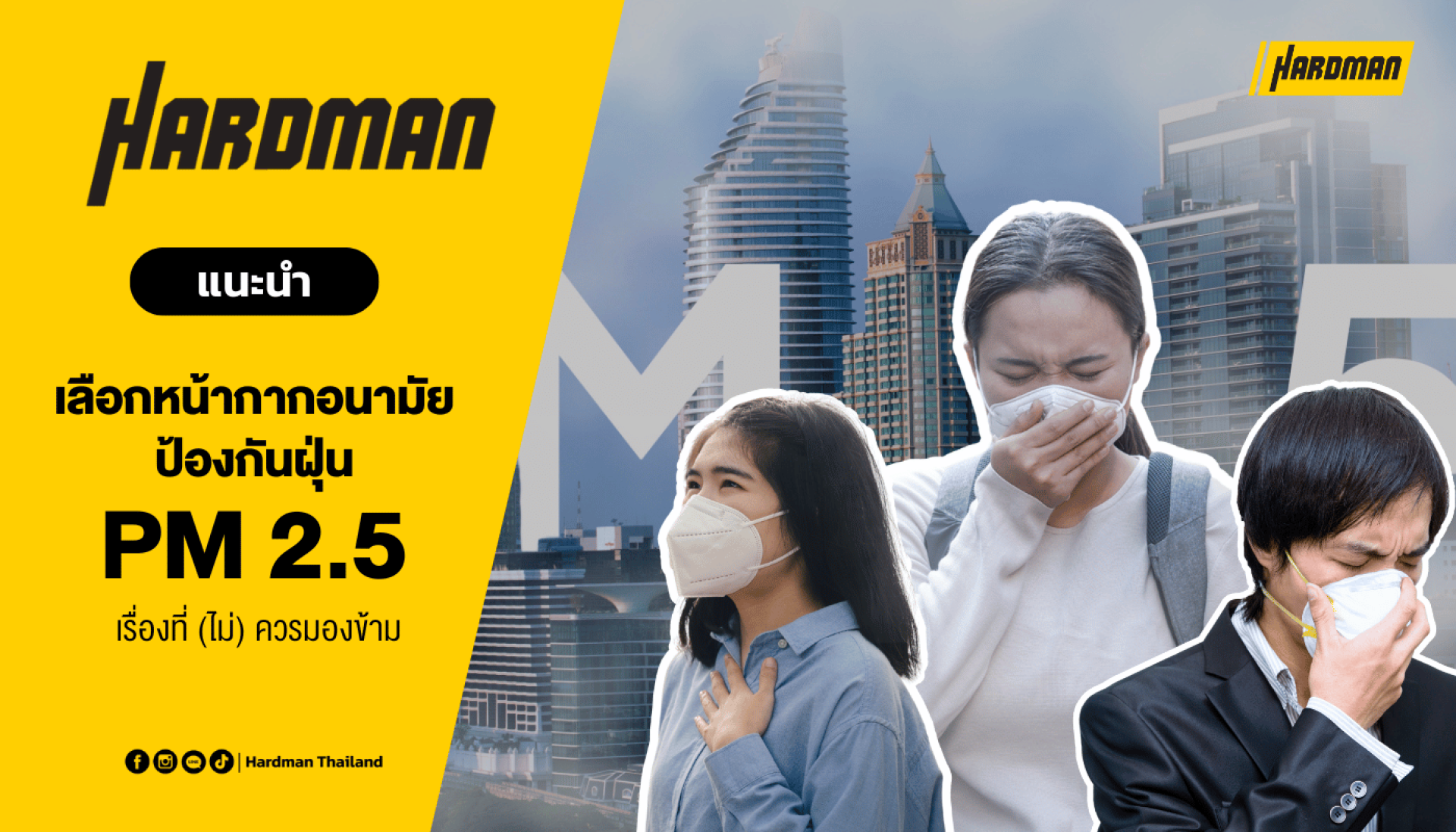
Over the past several years, almost every Thai person has become familiar with the term PM 2.5, especially during the dry season when smog blankets many parts of the country—from the northern regions down to Bangkok and its surrounding areas. This issue is not merely about poor visibility or inconvenience; it is a serious health concern that directly affects everyone.
The sources of this toxic dust come from multiple factors, including forest fires, agricultural burning, vehicle exhaust, and incomplete fuel combustion. These processes release harmful gases and microscopic particles into the air—pollutants invisible to the naked eye but capable of penetrating the human body more easily than one might expect.
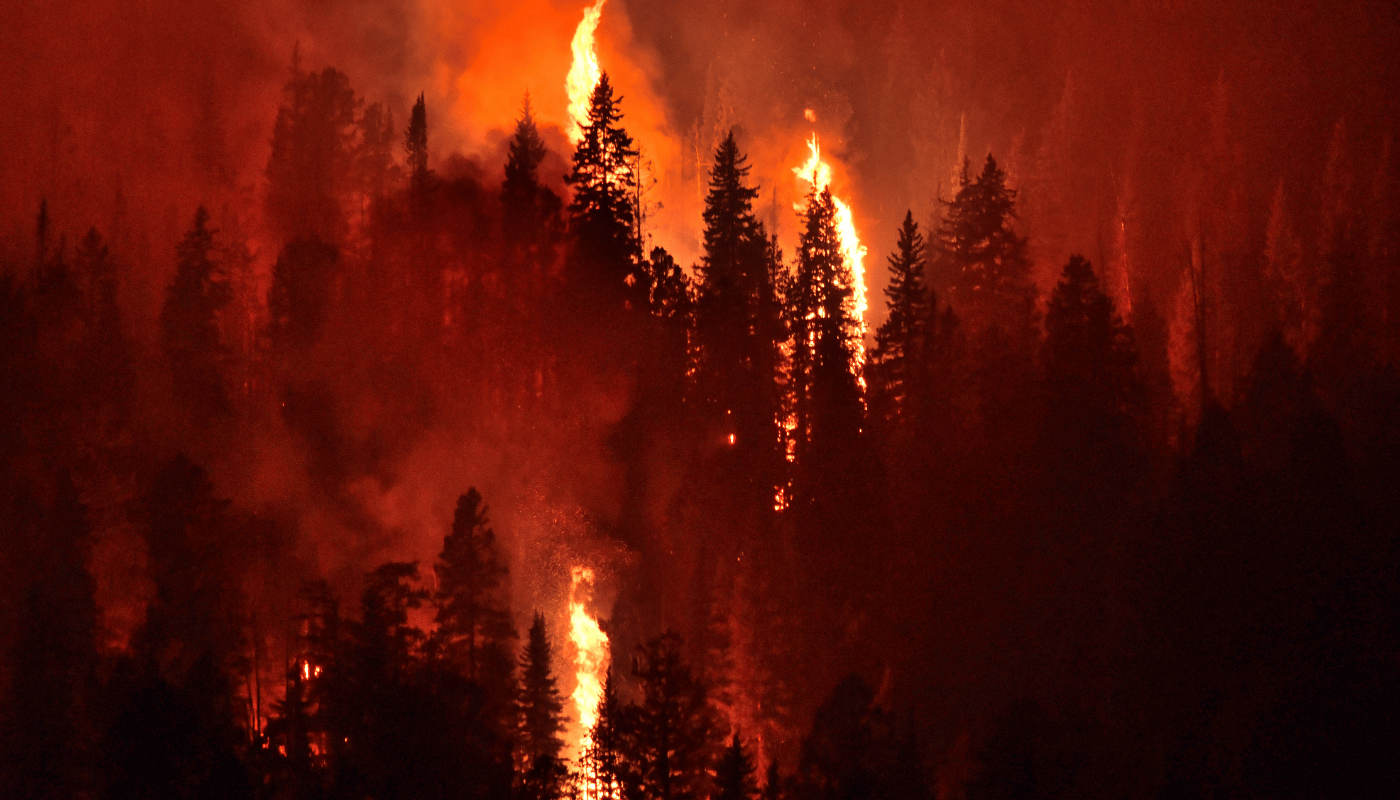
In northern Thailand, where the geography consists of basins surrounded by mountains, air pollution tends to accumulate more easily. Combined with stagnant air conditions, low wind, and high morning humidity, dust and toxic substances remain suspended in the atmosphere for extended periods, forming thick smog over cities. As a result, the number of patients suffering from respiratory diseases, lung conditions, heart disease, and other chronic illnesses increases every year.
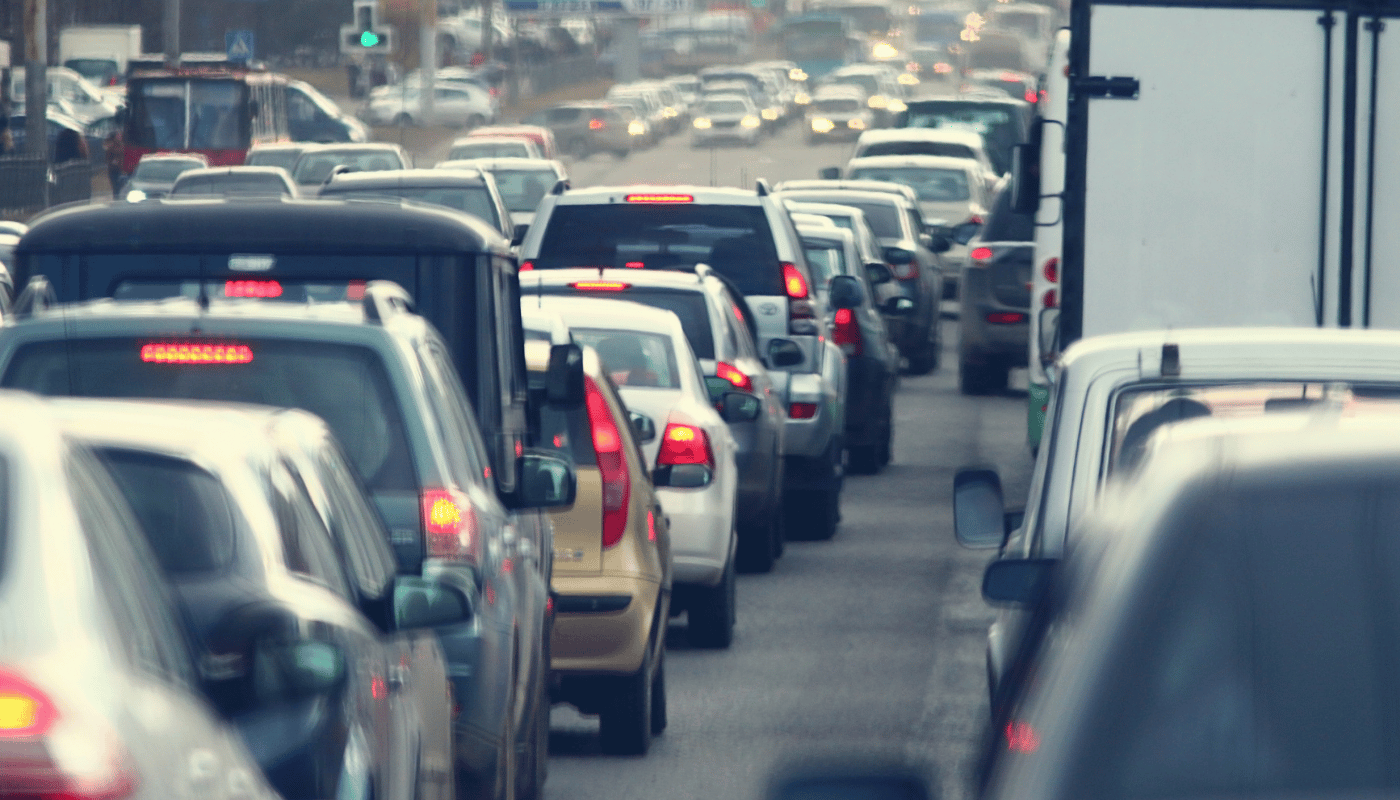
In major cities like Bangkok, the primary source of pollution comes from vehicle and motorcycle exhaust. Carbon monoxide produced by combustion binds with hemoglobin in the blood, reducing the body’s ability to transport oxygen. This can lead to symptoms ranging from dizziness and fatigue to loss of consciousness, and in severe cases, may become life-threatening.
PM 2.5 Is More Dangerous Than You Think
PM 2.5 refers to extremely fine particulate matter with a diameter of no more than 2.5 microns. These particles are small enough to bypass the body’s natural filtration systems, penetrate deep into the lungs, and in some cases, enter the bloodstream directly. Unlike PM10 particles, which are larger and can be partially filtered out, PM 2.5 poses a much greater health risk.

These tiny particles can cause acute symptoms such as coughing, breathing difficulty, and eye irritation, while long-term exposure may lead to chronic lung disease, cardiovascular disease, and other serious health conditions. This is why prevention from the very beginning is critically important.
Face Masks: The First Line of Health Protection
Since air pollution cannot be fully resolved in the short term, personal protection becomes essential. One of the easiest, most convenient, and most effective methods is wearing a high-quality face mask. However, not all masks provide the same level of protection against PM 2.5 and pathogens. Choosing the right mask from the start can significantly reduce health risks and increase daily confidence.
How to Choose a Mask That Truly Protects Against Dust and Germs
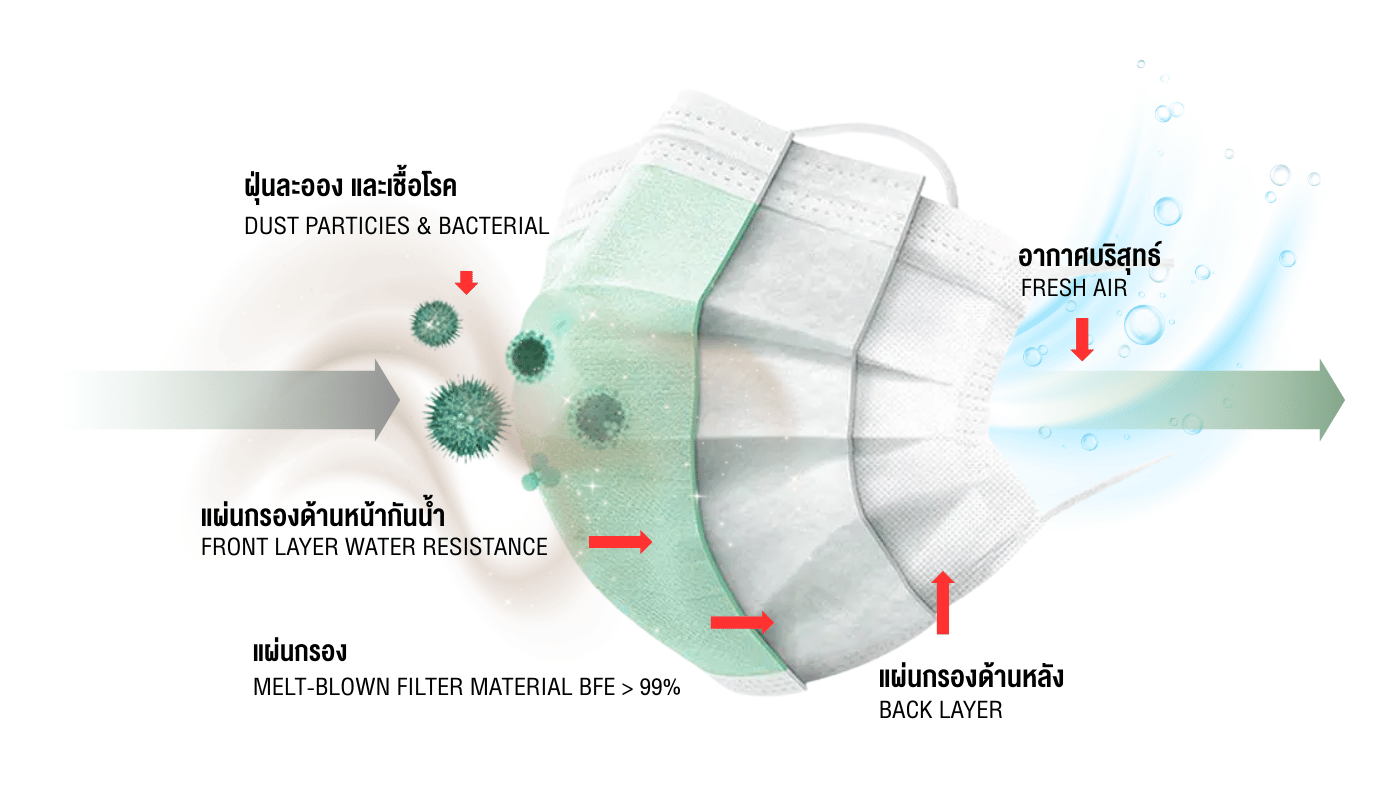
1.Choose a Medical-Grade Face Mask
Look for masks labeled as Medical or Surgical Masks, which are specifically designed to block droplets, bodily fluids, bacteria, and viruses. These masks are suitable for everyday use, especially in high-risk environments.
2. Understand Filtration Efficiency Ratings
Mask packaging often displays abbreviations such as BFE (Bacterial Filtration Efficiency), which indicates the mask’s ability to filter bacteria and small particles. Masks with a BFE rating of 98% or higher are recommended for effective protection against dust and pathogens.
3. Multi-Layer Structure Offers Better Protection
Masks with three or more layers provide enhanced filtration of PM 2.5 and help reduce air leakage around the edges, preventing pollutants from entering the respiratory system.
4. Protection Must Come with Comfort
A good mask should not only offer protection but also be comfortable to wear. It should fit snugly, allow easy breathing, and not cause discomfort. If a mask is uncomfortable and frequently removed, the risk of exposure to dust and germs increases significantly.
PM 2.5 is not a distant problem, nor is it one that will disappear anytime soon. Choosing the right face mask is like equipping yourself with the first line of defense. Whether you work outdoors, commute through city traffic, or go about daily life, selecting the right protection from the start is an investment in long-term health that truly pays off.