Clamp Meter and Multimeter: How to Choose the Best Tool

When working with electrical systems and sensitive electronics, selecting the correct and accurate measuring equipment is of utmost importance for both operational efficiency and personal safety. Many people, especially beginners and novice technicians, often have questions regarding the choice between a clamp meter and multimeter. They frequently wonder how these two distinct electrical measuring tools are similar or different. Deciding between a clamp meter and multimeter is a crucial first step that will help ensure your electrical work is highly successful and significantly reduces the risk of dangerous accidents. In this comprehensive article, we will take you on a deep dive into the technical details of a clamp meter and multimeter. By the end of this guide, you will fully understand the working principles, structural designs, and how to appropriately select a clamp meter and multimeter for your specific line of work. Whether you are an industrial maintenance engineer or an independent residential electrician, understanding the unique characteristics of a clamp meter and multimeter will undoubtedly elevate your professionalism.
Understanding a Clamp Meter and Multimeter
Before we delve into the technical comparison, we must first establish a foundational understanding of the background of a clamp meter and multimeter. We need to explore what primary purposes each of these tools was originally designed to fulfill. Although a clamp meter and multimeter are both categorized as essential electrical testing instruments, when we look closer at the internal architecture and practical field applications, a clamp meter and multimeter possess distinctly different strengths and limitations. Using a clamp meter and multimeter for the wrong application not only results in inaccurate readings but can also cause severe damage to the sensitive internal circuitry of the tools themselves.
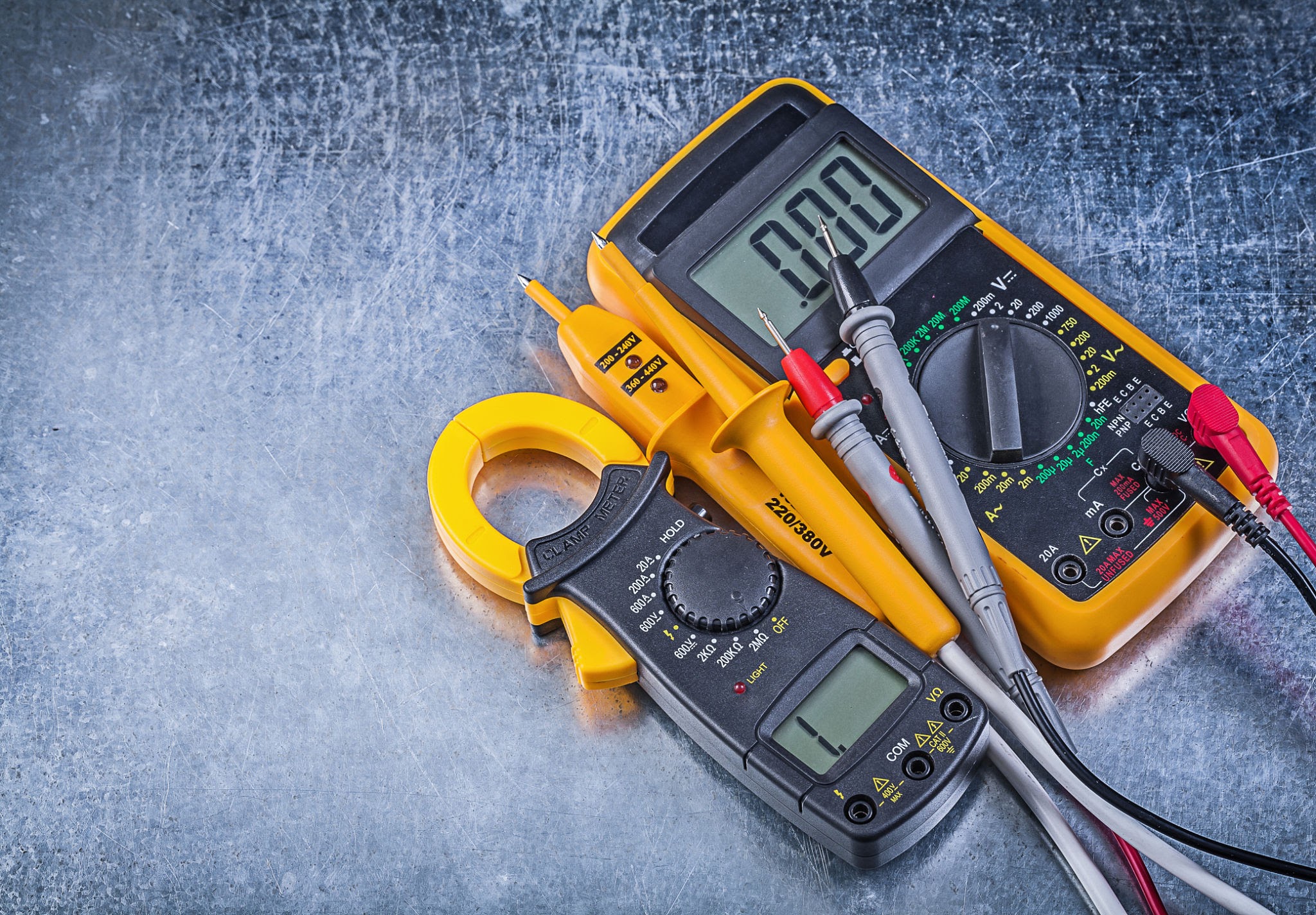
What is a Clamp Meter?
A clamp meter is a specialized electrical testing tool characterized by its prominent hinged "jaw" or clamp mechanism at the top of the device. The primary function of this instrument is to measure electrical current without requiring the user to cut wires or shut down the entire electrical system. You simply open the jaw and place it around a single live conductor. The tool instantly reads the current flowing through that wire using the principle of magnetic induction. When we compare a clamp meter and multimeter in terms of convenience during high-current measurements, the clamp meter is vastly superior and much faster. If you work in a commercial environment where shutting down power is not an option, choosing between a clamp meter and multimeter becomes obvious; the clamp meter holds a massive advantage. For this reason, professional power electricians almost always carry a clamp meter and multimeter together in their tool kits.
What is a Multimeter?
On the other hand, a multimeter is an incredibly versatile, multi-purpose measuring device that consolidates the ability to measure various fundamental electrical properties into one compact unit. It can precisely measure voltage, electrical resistance, and circuit continuity. A major highlight when comparing a clamp meter and multimeter is that the multimeter provides a much higher degree of resolution and precision when measuring voltage and other intricate electronic values. However, to measure current with a multimeter, the user must physically break the circuit and connect the test probes in series. This process is generally more complicated and time-consuming. Therefore, when evaluating whether to use a clamp meter and multimeter for a specific job, you must assess the environment. If your focus is primarily on repairing small circuit boards, comparing a clamp meter and multimeter will clearly show that the multimeter is the undisputed champion for that specific task.
Key Differences Between a Clamp Meter and Multimeter
To provide ultimate clarity for your purchasing decision and real-world application, we can break down the in-depth technical differences between a clamp meter and multimeter into the following subtopics. Understanding these core differences between a clamp meter and multimeter will significantly reduce operational errors on the job site. When we lay out the detailed specification sheets of a clamp meter and multimeter side by side, several critical aspects emerge.
1.Methods and Principles of Measuring Current
The most visually apparent and functionally significant difference between a clamp meter and multimeter is the exact method used to measure electrical current. A clamp meter relies on encompassing a wire to detect the magnetic field generated by the alternating current flowing through it, allowing for the rapid and effortless measurement of massive electrical loads. Conversely, if you want to measure current with a multimeter, you must switch off the breaker, cut the circuit, and insert the test leads to bridge the gap. This clearly illustrates that a clamp meter and multimeter require entirely different preparatory steps before taking a measurement. Evaluating a clamp meter and multimeter from this perspective explains why heavy industry professionals strongly favor the clamp meter for daily current checks.
Safety Considerations for a Clamp Meter and Multimeter
Regarding occupational safety standards for the operator, a clamp meter and multimeter present different levels of risk during active use. Using a clamp meter is inherently much safer for high-voltage current measurement because the technician never has to make direct contact with bare, live conductors. In sharp contrast, a multimeter carries a much higher risk of arc flashes or electrical shock if the user is not highly experienced in connecting series circuits for current measurement. Therefore, when strict safety protocols are involved, a clamp meter and multimeter demand different precautionary measures and safety gear.
2. Accuracy and Detailed Measurement Functions
When we deeply analyze the display resolution and precise accuracy between a clamp meter and multimeter, the multimeter almost always offers a finer decimal point precision. This extreme accuracy is absolutely vital for measuring millivolt-level voltages, minute capacitance values, or checking the delicate health status of diodes and transistors. If your specific technical field requires this level of micro-precision, a clamp meter and multimeter cannot serve as perfect substitutes for one another, and you will absolutely require the advanced capabilities of a high-end multimeter. Grasping this specific distinction between a clamp meter and multimeter helps technicians accurately diagnose the root cause of complex electronic failures.
3. Physical Characteristics and Portability
The physical shape, overall size, and exterior design ergonomics of a clamp meter and multimeter directly impact their maneuverability in tight spaces. A clamp meter features protruding jaws that can sometimes be cumbersome or difficult to maneuver when working inside densely packed, narrow electrical control cabinets. Meanwhile, a standard multimeter is typically a compact rectangular box paired with flexible wire probes. The ease of transporting a clamp meter and multimeter largely depends on how a technician prefers to organize their tool belt or carrying case. Fortunately, modern tool manufacturers have made great strides in engineering both a clamp meter and multimeter to be lighter, more rugged, and increasingly portable.
How to Properly Choose Between a Clamp Meter and Multimeter
Now that we have thoroughly explored all the primary differences, the final decision of choosing between a clamp meter and multimeter should be based entirely on the realistic conditions of your daily work environment. The vast majority of top-tier professional technicians choose to invest in both a clamp meter and multimeter to ensure they have a complete, complementary toolset at their disposal at all times. However, if you are faced with strict budget constraints and must choose only one device between a clamp meter and multimeter, consider the following practical guidelines.
When to Use a Clamp Meter
- Commercial power electricians and building wiring contractors who frequently need to check high load currents.
- Working in industrial environments where a clamp meter and multimeter compete for speed, and shutting down the manufacturing assembly line is completely strictly prohibited.
- Routine inspection and maintenance of heavy-duty electric motors, large water pumps, or massive HVAC compressors that draw significant starting current. When utilizing a clamp meter and multimeter in these heavy-duty scenarios, the clamp meter is the most direct and effective tool.
- Troubleshooting large electrical panels where you need to quickly identify phase imbalances without disconnecting any permanent wiring.
When to Use a Multimeter
- Electronics repair specialists working on modern televisions, mobile smartphones, and sensitive computer hardware.
- Diagnostic work that heavily prioritizes checking exact voltage drops, resistance values, and tracing the continuity of copper traces on a circuit board.
- Engineering students, hobbyists, or beginners who are just starting to learn basic electrical theory. When comparing a clamp meter and multimeter for educational foundations, the multimeter provides a much more comprehensive understanding of Ohm's Law.
- Detailed repair of miniature Printed Circuit Boards (PCBs) where bringing a clamp meter and multimeter into the workspace clearly highlights the absolute necessity of the multimeter's precise needle probes.
Final Summary on a Clamp Meter and Multimeter
The ultimate conclusion to the debate of choosing between a clamp meter and multimeter is that there is no single, universally perfect answer as to which tool is objectively superior. A clamp meter and multimeter were distinctly conceptualized, engineered, and manufactured to perform highly specialized tasks and perfectly complement one another in the field. Having a profound understanding of the deep technical pros and cons of a clamp meter and multimeter will save you countless hours of frustrating troubleshooting and drastically reduce the risk of catastrophic electrical hazards. In today's rapidly advancing technological landscape, leading manufacturers have developed hybrid tools that blur the lines, giving a clamp meter and multimeter increasingly overlapping features. For instance, some premium clamp meters can now measure resistance and voltage with accuracy rivaling standard multimeters. Therefore, before making a financial investment in a brand new clamp meter and multimeter, you should meticulously review the technical specification sheets to ensure you acquire the most cost-effective tool. We hope this extensive, detailed guide on a clamp meter and multimeter empowers you to work safely and achieve maximum professional success in all your future electrical projects.


